
Serving Charlotte, North Carolina & surrounding areas(919) 807-1102After-hours & emergency response line available 24/7
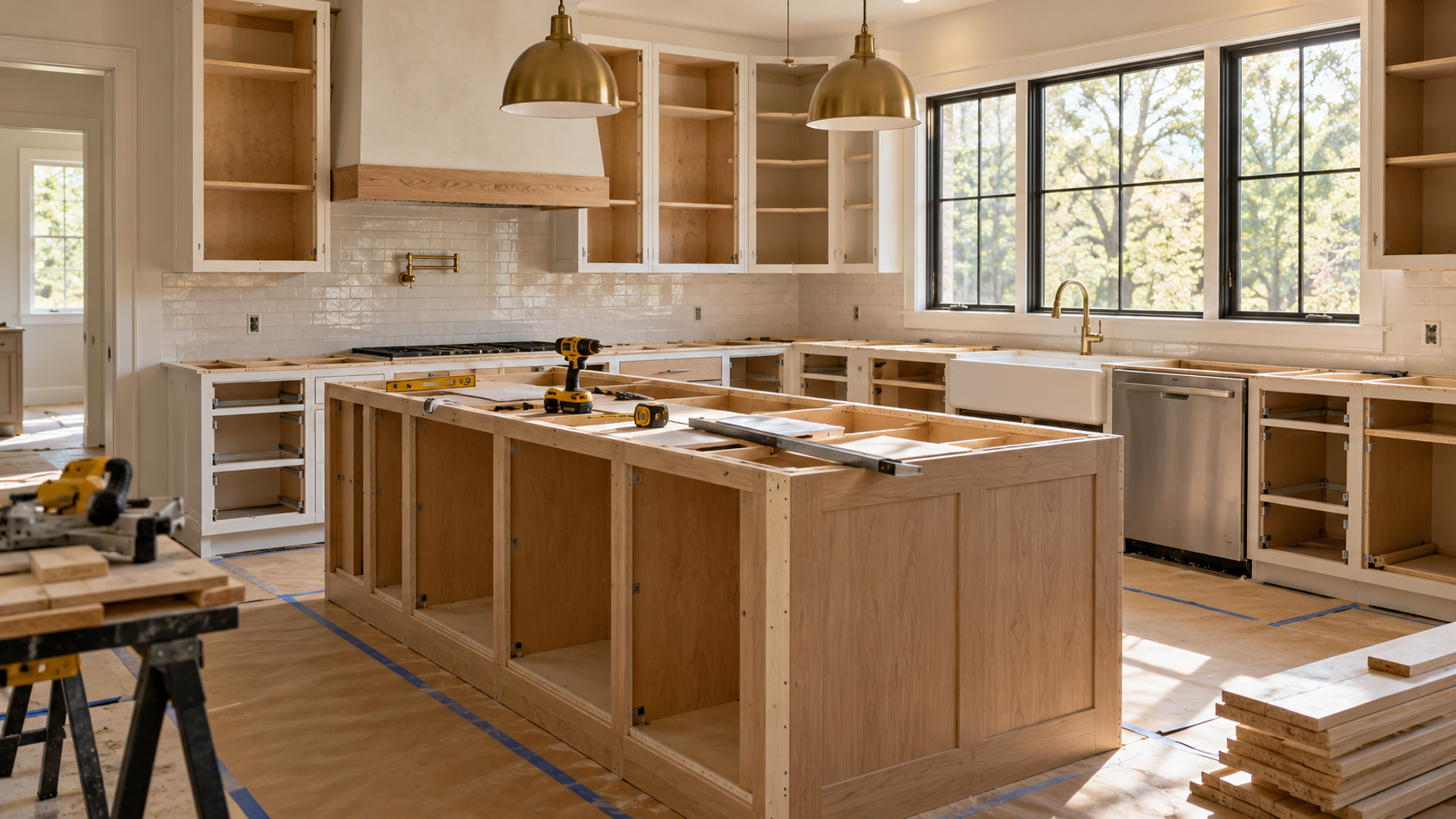
Illustrative photo of a kitchen remodel in progress
Construction & reconstruction • Charlotte, NC

Create the space you want.
Rebuild the space you need.

Planning a remodel or update? Rebuilding after property damage? Apex offers construction for planned improvements and reconstruction after mitigation, with a clear plan for either project.

A closer look at the work

Illustrative photo of a craftsperson installing cabinetry in a kitchen remodel
Planned remodels can update the spaces you use every day.
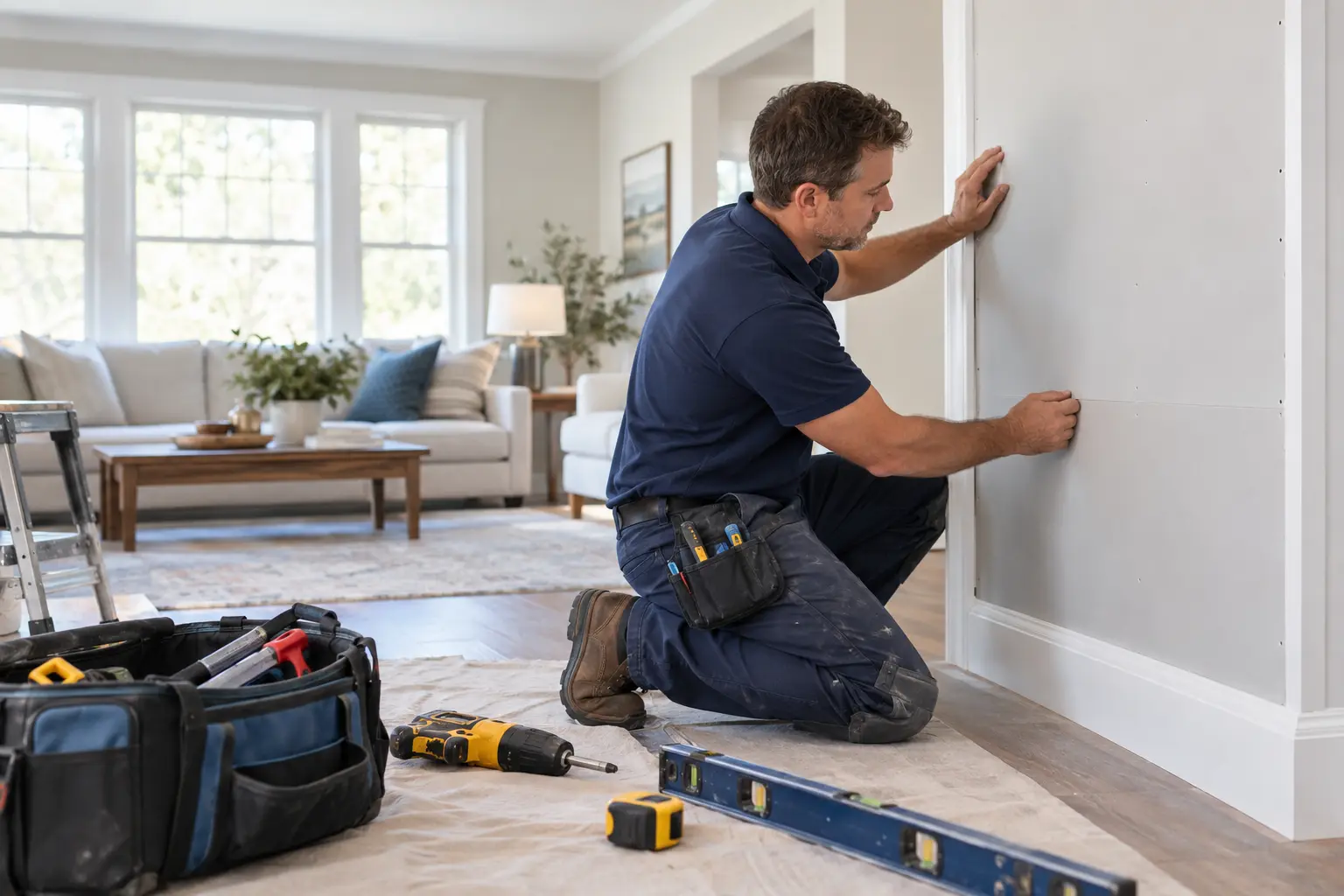
Illustrative photo of a contractor repairing drywall and trim after mitigation
Reconstruction is the rebuilding phase after mitigation.
Two reasons to build. One place to start.

Construction and reconstruction serve different needs.

PLANNED IMPROVEMENTS

Construction:
remodels & updates

A project starts with something you want to change. Update a dated room, refresh finishes or remodel a space to better suit how you live or work. No disaster or insurance claim is required.

We discuss your goals, selections, budget and priorities to define the work.

Plan your remodel →
REBUILDING AFTER MITIGATION

Reconstruction:
putting it back together

Once mitigation is complete, reconstruction addresses the building materials and finishes that need repair or replacement after water, fire, mold or storm damage.

The repair plan builds on the affected conditions, mitigation findings and agreed scope.

Understand reconstruction →

Interior remodels & updates

Refresh rooms with updated flooring, trim, paint and other finishes as part of your planned project.

Kitchens & bathrooms

Discuss cabinetry, surfaces and finishes that better fit the way you want your space to look and function.

Post-mitigation rebuilding

Repair or replace affected building materials after the damage has been addressed through mitigation.

Commercial improvements

Plan business-space updates or loss-related repairs around access, tenant needs and operations.

For reconstruction projects

Mitigation first.
A sound repair plan next.

Before closing a wall or installing new finishes, the conditions behind the damage need attention. Drying, remediation and any necessary investigation inform the reconstruction scope.

Bring the available photos, mitigation records and estimates into the planning conversation. They help establish what is known, what still needs review and where the repair work begins.

Start with these questions

What is included?
What needs a decision?
What happens next?

A useful project plan gives you answers you can act on.

Your project journey

From the first walkthrough to the last detail.

Whether you are choosing a remodel or rebuilding after a loss, the project starts with a defined scope. Damage assessment and mitigation records apply to reconstruction; your goals and desired changes guide a planned remodel.

01
BEFORE WORK BEGINS

Define the project.

Goals, conditions and project scope

For remodels, review the existing space and the changes you want. For reconstruction, review damage and mitigation records. Identify anything that requires further investigation.

Selections and expectations

Discuss finishes, material availability and the intended result. Existing materials may be discontinued or difficult to match; resolve those questions early.

Written arrangements

Review the estimate, authorization, responsibilities and payment terms. Establish access, project contacts and any approvals needed before work starts.

02
DURING CONSTRUCTION

Keep decisions connected.

Sequencing and access

Work needs an order. Discuss when each area is needed, where materials will be placed and how the job will affect use of the property.

Progress and questions

Agree on the best contact method and an update schedule. Raise concerns as work progresses so they can be reviewed while the relevant work is accessible.

Unexpected findings

Additional damage or requested upgrades can change the work. Review the reason, price and schedule implications in a written change before proceeding with that additional work.

03
AT COMPLETION

Review the finished work.

Final walkthrough

Compare the completed work with the agreed scope. Record any unfinished or corrective items and clarify how they will be addressed.

Project records

Review completion documents, invoices and any applicable product or workmanship warranty terms provided for the project.

Return to everyday use

Confirm relevant care instructions, remaining access needs and the next contact for any outstanding items.

Insurance-related reconstruction

Experience with the claim.
Attention to the repair.

Apex’s founder brings 15 years of property-claims experience, including complex residential and commercial losses.

That background informs how we document conditions and explain the work. With your authorization, we can discuss the repair scope and supporting information with your assigned adjuster.

Our insurance-professionals page →
KEEP THE SCOPE CLEAR

Repairs, upgrades and coverage are separate decisions.

An insurer’s estimate and the construction agreement serve different purposes. Review the work you are authorizing and understand any owner-requested additions.

Coverage and claim payments are determined by the insurer. A proposed supplement is not a guarantee of approval.

Planning for real life

Tell us how you use the property.

Discuss work hours, pets, occupied rooms, parking and access before the project starts. For businesses, identify tenant contacts and operational restrictions that affect scheduling.

A schedule should explain dependencies.

Material availability, inspections, drying, access and changes in scope can affect timing. Ask what is ready to proceed and which decisions or deliveries are still needed.

Explore commercial services →
Construction questions

Understand the work before it starts.

Can I hire Apex for a remodel without an insurance claim?

Yes. Construction services include planned remodels and updates unrelated to a disaster. We discuss your goals and define a project scope with you.

How is reconstruction different from a remodel?

Reconstruction is the rebuilding phase after mitigation. A remodel begins with improvements you choose to make. A reconstruction project can also include agreed upgrades, with those changes identified separately.

Does every water or fire loss require reconstruction?

No. Some materials can be cleaned or dried. Repairs depend on what is damaged, what can be restored and what must be removed.

Can I make improvements while repairs are underway?

Discuss improvements during planning. Separate them from loss-related repairs and confirm the additional scope, cost and timing before making changes.

What if more damage is found after work begins?

The additional conditions should be documented and the proposed work explained. Review a written change and, where relevant, provide supporting information to the insurer for consideration.

Will replacement materials match what is already there?

Availability, age and wear can affect matching. Review samples and discuss transitions or alternatives before ordering materials.

Do I need to be present throughout construction?

Discuss secure access, decision-making and communication before work begins. Your presence requirements depend on the project and agreed arrangements.

How are payment terms and warranties handled?

Review the written agreement before authorizing work. It should explain the payment arrangements and any applicable warranty terms. Specific terms are project-dependent.

Construction & reconstruction

Let’s talk about your next project.

Call Apex at (919) 807-1102 to discuss your property.

Discuss your project →